AI in HR is becoming more common. Organisations are using it to save time, manage information and support employees.
AI can help with recruitment, communication, admin and employee development. It can also help HR teams review information and spot useful patterns.
This article is part of our Artificial Intelligence Guide. It explains how AI can support HR, outlines the main ways teams can use it, and describes what businesses should consider before they use it.
Why Trust ISM Training?
Over 20,000+ graduates
Have advanced their career with ISM Training
89%
of ISM graduates say our course helped them get a promotion.
76%
said that their training helped then increase their salary.
97%
of graduates want to study more of our courses.
Our graduates are working in some of the biggest companies worldwide, companies like...






Why is AI becoming important in HR?
AI is becoming important in HR because human resources teams manage large amounts of information and many repeated tasks.
According to SQ Magazine, 65% of HR departments globally have implemented at least one AI-based tool.
HR professionals are responsible for:
- Reviewing job applications
- Answering employee questions
- Preparing documents
- Organising training
AI can help reduce this workload and save HR teams time.
For example, an AI tool may help summarise employee feedback or draft a job description. It can also organise information from different HR documents.
This can give HR teams more time to focus on employees, workplace issues and important business needs.
AI at work is also changing employee expectations. HR teams may need to help staff understand how the organisation uses AI and what it means for their roles.
AI may also change job roles and the skills employers need. Read more about AI jobs in Dubai.
What are the main AI use cases in HR?
AI use cases in HR can include simple admin tasks, recruitment and employee development.
Common examples include:
- Drafting job descriptions
- Summarising employee surveys
- Creating interview questions
- Scheduling interviews
- Preparing onboarding documents
- Answering common HR questions
- Organising training information
- Reviewing HR data
AI does not need to complete these tasks on its own. HR professionals can use it to create a first draft or organise information.
They can then review the result before using it. This can save time while keeping people involved in important decisions.
Start your course today!
We offer a comprehensive curriculum that covers all of the essential topics. Our experienced instructors will provide you with the support and guidance that you need to succeed.
How can AI support talent acquisition?
AI in talent acquisition can help HR teams with different parts of the recruitment process. It can:
- Organise candidate information
- Draft emails
- Create interview summaries
- Help review large amounts of information
According to Engagedly’s 2023 report, 44% of organisations already use AI for recruitment.
However, businesses should be careful when using AI to assess candidates. Recruitment decisions can affect people’s careers, and AI may not understand every personal, professional or cultural factor.
HR professionals should review AI-generated information and make sure the process remains fair and transparent. The final hiring decision should still involve human judgement.
For UAE employers, recruitment and workforce planning may also connect with wider Emiratisation goals.
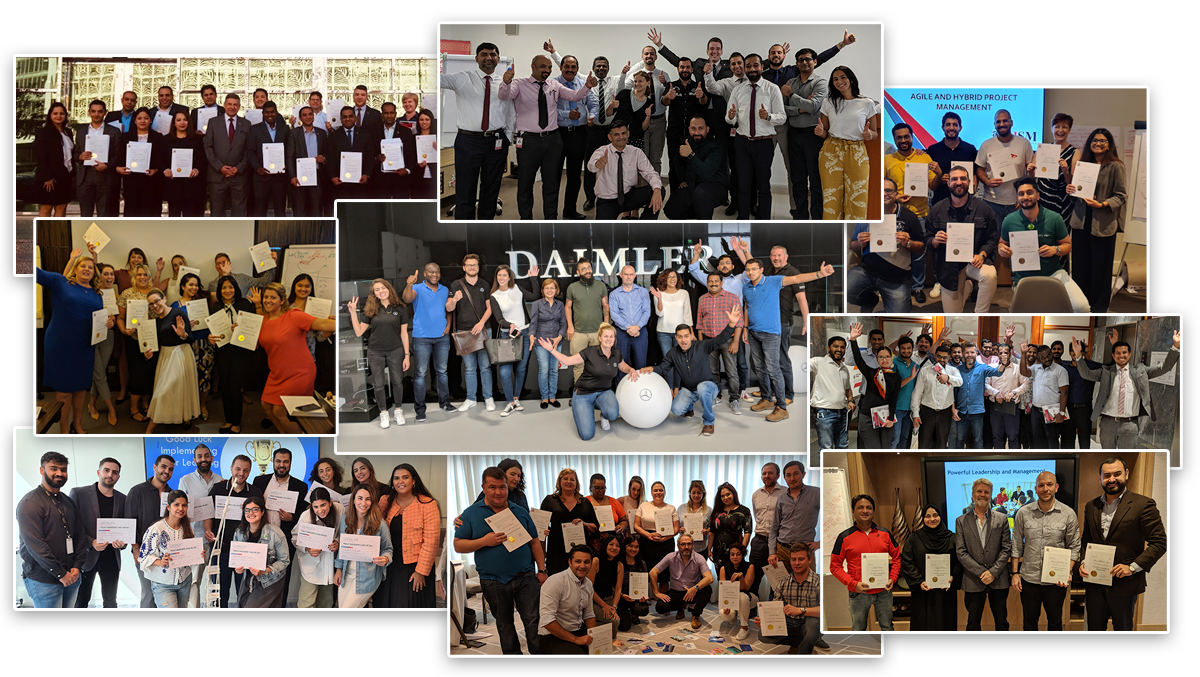
We let our graduates do the talking...
How can AI improve the employee experience?
AI can give employees faster access to HR information. For example, an HR AI assistant can answer common questions about holidays, policies, benefits and training.
However, sensitive concerns and personal issues should still be handled by a human.
January 2027
Looking further ahead?
View our course calendar in full
What AI HR solutions can businesses use?
AI HR solutions can support recruitment, learning, communication and administration. The right tool should solve a clear problem and make work easier for HR teams or employees.
Before choosing a tool, HR teams should ask:
- What task do we want to improve?
- Will it save time?
- What employee data will it use?
- Who will check the results?
- Does it follow company rules?
The aim is to choose AI tools that solve real HR problems, not add more complexity.
What should HR teams not leave entirely to AI?
HR teams should not leave important people decisions entirely to AI.
AI can help organise information, but it does not fully understand personal situations, emotions or workplace relationships.
HR professionals should be careful when using AI for decisions about:
- Hiring
- Promotions
- Employee performance
- Disciplinary action
- Redundancies
- Complaints
These decisions can have a major impact on employees.
AI may provide useful information, but HR professionals should consider the full situation before taking action.
Human judgement is especially important when a decision affects someone’s job, wellbeing or future.
What risks should HR teams consider when using AI?
One of the main risks of AI in HR is incorrect information.
AI can give answers that sound correct even when they are wrong.
Data privacy is another concern. HR teams often handle confidential employee information, so sensitive data should only be entered into approved AI tools.
HR teams should also be aware of bias. AI may produce unfair results if the data used to train it contains bias.
Clear rules, human review and regular checks can help reduce these risks.
For more guidance, consider our AI Ethics and Understanding course, which covers responsible AI, data privacy, bias and human oversight.
How can HR teams use AI responsibly?
HR teams can use AI responsibly by setting clear rules and keeping people involved. Employees should know which tools they can use and what information they can share. Businesses should also review their AI use as the technology develops.
What role do leaders play in AI adoption?
Leaders play an important role in how AI is introduced and used at work. Effective AI leaders can set clear rules, support employees and help teams use new technology with confidence. Read more about AI and leadership.
Why is an AI in HR course useful?
An AI in HR course helps HR professionals use artificial intelligence safely and effectively at work.
Training can show HR professionals how to write better prompts, check AI-generated information and protect sensitive data. It can also help them understand when human input is needed.
Prompt skills are also becoming more important across the UAE. Learn more about the One Million Prompters initiative.
Developing AI skills also supports the UAE’s wider ambitions. Read more about the UAE Artificial Intelligence Strategy 2031.
ISM Dubai provides practical AI training for real workplace situations. It helps HR professionals build confidence and use AI more effectively in their daily work.
Ready to build your AI skills? Explore our AI courses or contact us today to find the right training for you.
Frequently Asked Questions
AI in HR means using artificial intelligence to support human resources tasks. These can include recruitment, communication, administration and employee development.
AI can streamline HR processes and help teams save time by drafting content, summarising information and organising HR data.
Common AI use cases in HR include recruitment, onboarding and employee communication. They can also include training, administration and preparing for performance reviews.
AI can automate some HR tasks. However, people decisions still need human judgement, empathy and communication.
HR professionals need AI training to use the technology safely and protect employee information. They also need to know when human review is required.
Join 1000's of individuals and teams certified by the Institute of Sales & Marketing
Our trending courses
At ISM, we combine top-tier training courses with industry-leading instructors.
View all coursesTestimonials from Our Valued Clients
Discover the transformative experiences our clients have had with our training programs.
Hear directly from those who have unlocked their potential and achieved remarkable success.

Some other providers courses can be quite a chore! However, I felt fully engaged and excited by all the new selling tools I have...

Daniel Graham
Instead of just telling me what to do, they showed us how to do it as well as why to do it. They used real-life experiences...

Sujit Nair
The training was delivered in an easy to absorb manner and focused on all the key areas...

Paul Baker CFP