According to AllaboutAI, the UAE leads the world with 58% AI adoption.
AI for supply chain management can help teams plan work and manage information. It can also help them respond to problems faster.
Supply chains involve many moving parts. Businesses need to manage suppliers, stock, transport, costs and customer demand.
AI can help teams review this information. It can also identify patterns that may be difficult to spot manually.
However, AI should support supply chain professionals, not replace human judgement. Teams still need to consider suppliers, customers, costs and unexpected events.
This article is part of our Artificial Intelligence Guide. It explains how AI can support supply chain management, operations and planning. It also looks at the main risks businesses should consider.
Why Trust ISM Training?
Over 20,000+ graduates
Have advanced their career with ISM Training
89%
of ISM graduates say our course helped them get a promotion.
76%
said that their training helped then increase their salary.
97%
of graduates want to study more of our courses.
Our graduates are working in some of the biggest companies worldwide, companies like...






Why is AI becoming important in supply chain management?
AI is becoming important in supply chain management because teams manage large amounts of information. They also need to respond quickly when problems happen.
Supply chain professionals may need to track stock and review supplier information. They may also need to plan deliveries and manage changing customer demand.
AI can help organise this information. It can also highlight areas that may need attention.
For example, AI may help teams spot changes in demand or identify possible delays. This can give employees more time to focus on important problems and decisions.
What are the main uses of AI for supply chain management?
AI for supply chain management can support planning, forecasting, inventory and logistics.
Common uses include:
- Reviewing supply chain data
- Supporting demand forecasts
- Monitoring stock levels
- Identifying possible delays
- Organising supplier information
- Planning delivery schedules
- Comparing different options
- Preparing reports
AI does not need to complete these tasks on its own.
Supply chain professionals can use AI to organise information and suggest possible actions. They can then review the results before making a decision.
How can AI help with forecasting?
AI can help with forecasting by reviewing past data and finding patterns.
For example, it may help teams understand when demand could increase or decrease. This can support decisions about stock, staffing and deliveries.
Forecasting also plays an important role in financial planning. Learn more about AI in accounting and finance.
Forecasts should still consider changes that AI may not fully understand. These could include supplier problems, new competitors or changes in customer behaviour.
How can an AI scheduling assistant help?
An AI scheduling assistant can help teams organise tasks, deliveries and deadlines.
It may highlight scheduling problems. It can also show when one activity depends on another.
This can help teams adjust plans when priorities change.
AI can also support project schedules, deadlines and task planning. Learn more about AI in project management.
Start your course today!
We offer a comprehensive curriculum that covers all of the essential topics. Our experienced instructors will provide you with the support and guidance that you need to succeed.
How can AI support operations management?
AI in operations management can help teams improve everyday processes. It can also help them respond to problems faster.
For example, AI can review performance data and compare different processes. It can also highlight areas where delays are happening.
AI may help managers identify where time or resources are being wasted. Operations managers should still review the information and decide what action to take.
Operations managers also need to guide teams as AI changes the way they work. Learn more about AI and leadership.
We let our graduates do the talking...
How can AI and data analytics support supply chains?
AI and data analytics can help supply chain teams understand large amounts of information.
Artificial intelligence data analytics can identify patterns in sales, stock and supplier performance. It can also compare information from different sources.
For example, a business could use AI to compare delivery times across several suppliers. This may help the team identify where delays happen most often.
Good AI data management is also important. Teams need accurate information to get useful results from AI tools.
January 2027
Looking further ahead?
View our course calendar in full
What AI-powered solutions can supply chain teams use?
AI-powered solutions can support forecasting, planning, inventory and operations.
Some tools focus on specific supply chain tasks. Others are general AI tools that can summarise information, prepare reports or organise data.
The right tool depends on the problem the team wants to solve.
Before choosing a tool, teams should ask:
- What problem do we want to solve?
- Will the tool save time?
- What data will it use?
- Who will review the results?
- Does it follow company rules?
The best AI-powered solutions should solve a clear problem. They should not create extra work or risk.
What risks should supply chain teams consider when using AI?
The main risks of AI in supply chain management include incorrect information and poor data. Another risk is becoming too reliant on technology.
AI may produce poor results if the information it receives is incomplete or incorrect.
Supply chain teams should also be careful with confidential business and supplier data. Sensitive information should only be entered into approved tools.
Human review is still important. AI may identify a possible problem, but employees need to understand the full situation before acting.
Why is AI training useful for supply chain professionals?
AI training can help supply chain professionals use artificial intelligence safely at work. It can also help them use AI more effectively.
Training can show teams how to write useful prompts and review AI-generated information. It can also help employees protect business data.
Supply chain professionals can also learn which tasks are suitable for AI. They can then understand when human judgement is still needed.
ISM Dubai provides practical AI training for real workplace situations. This can help supply chain and operations professionals build confidence and use AI in their daily work.
Ready to develop your AI skills? Explore our AI courses or contact ISM Dubai to find the right training for your team.
Frequently Asked Questions
AI for supply chain management means using artificial intelligence to support supply chain tasks. These can include planning, forecasting, inventory and logistics.
AI can help teams organise information and identify patterns. It can also support forecasts and highlight possible supply chain problems.
AI in operations management can help teams review performance and identify delays. It can also help improve everyday processes.
AI can support forecasting by reviewing past data and identifying patterns. People should still review forecasts before making important decisions.
Supply chain professionals need AI training to use the technology safely and understand its limits. They also need to know when human review is required.
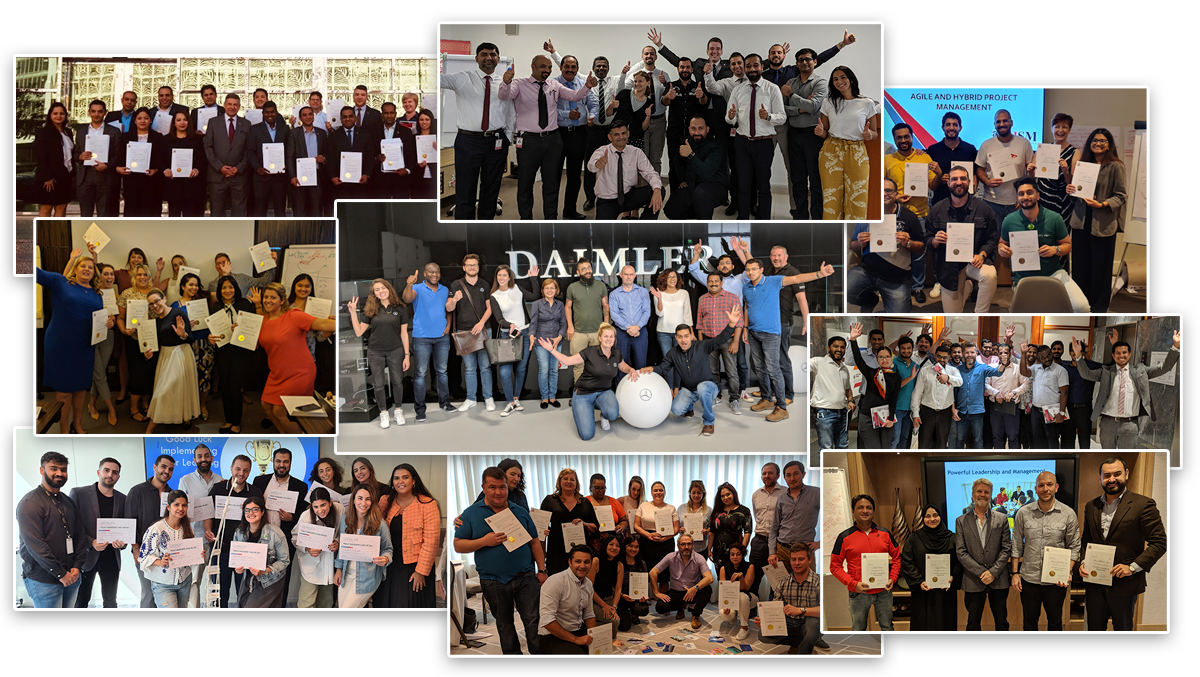
Join 1000's of individuals and teams certified by the Institute of Sales & Marketing
Our trending courses
At ISM, we combine top-tier training courses with industry-leading instructors.
View all coursesTestimonials from Our Valued Clients
Discover the transformative experiences our clients have had with our training programs.
Hear directly from those who have unlocked their potential and achieved remarkable success.

Some other providers courses can be quite a chore! However, I felt fully engaged and excited by all the new selling tools I have...

Daniel Graham
Instead of just telling me what to do, they showed us how to do it as well as why to do it. They used real-life experiences...

Sujit Nair
The training was delivered in an easy to absorb manner and focused on all the key areas...

Paul Baker CFP